Published in AI & SEO
SEO 101 Seminar: Exploring Modern SEO Fundamentals

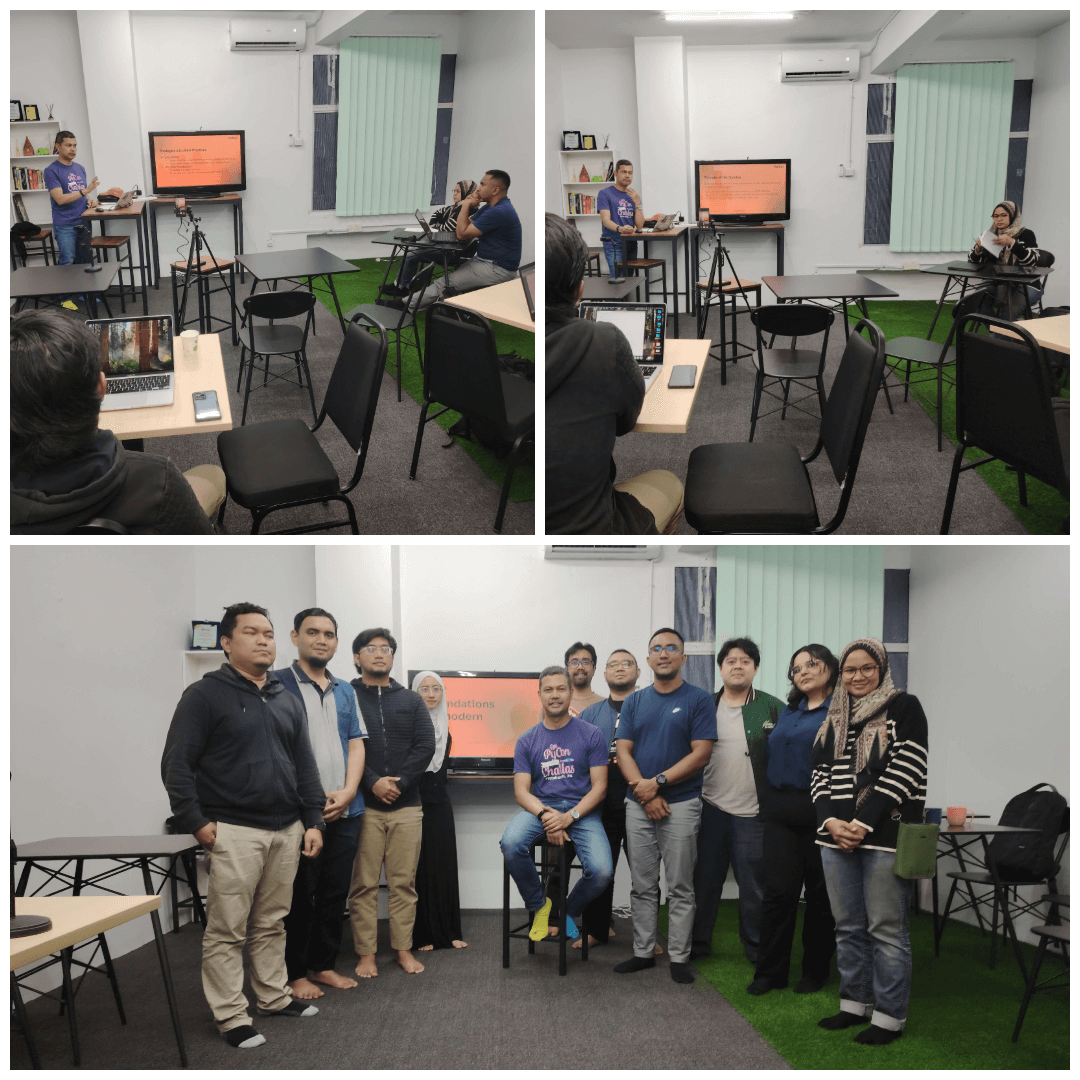
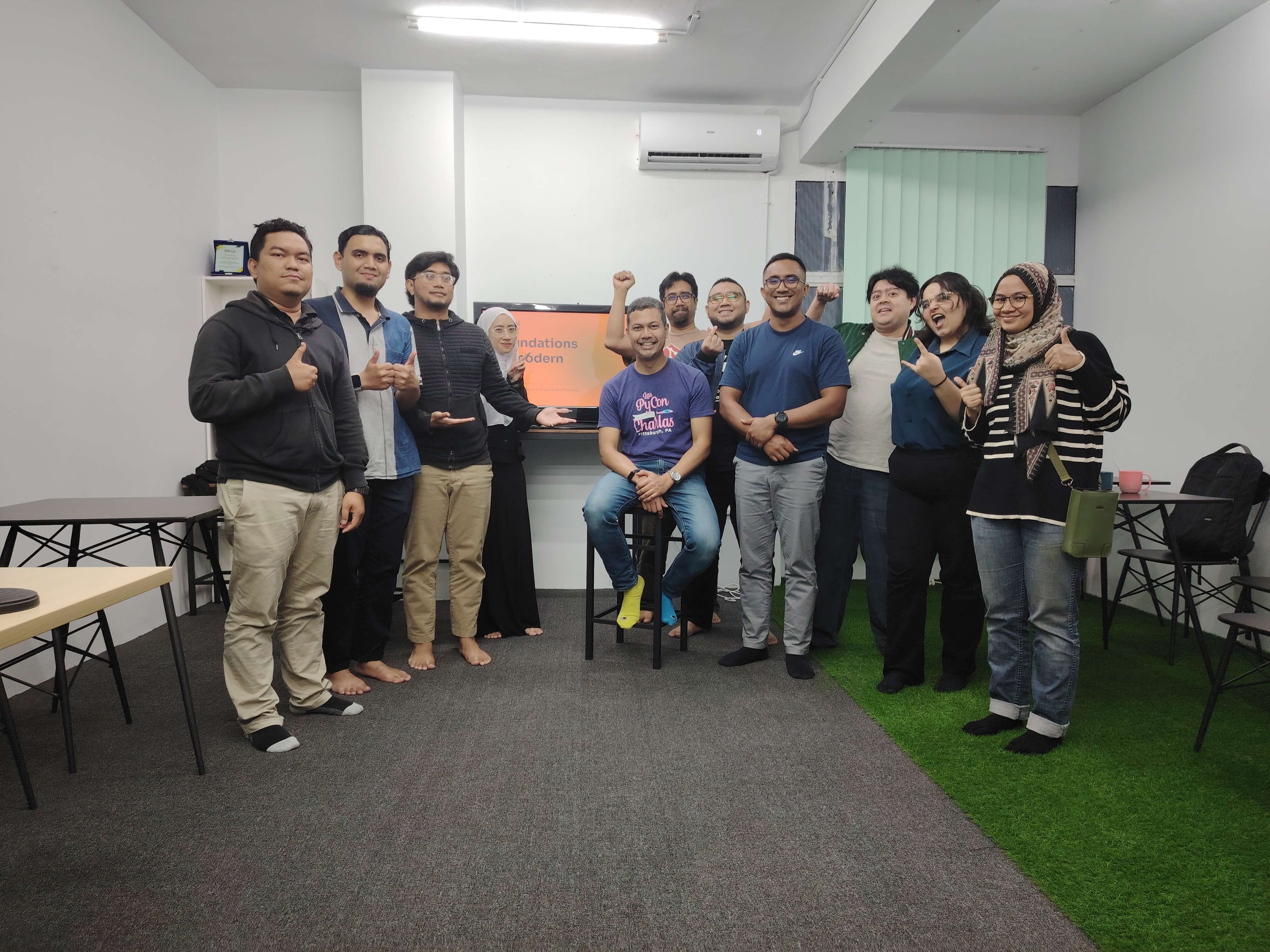
On February 15, 2025, I hosted a paid seminar on the fundamentals of modern SEO at KelasProgramming.com in Taman Melawati, Kuala Lumpur. My co-host was Dino from Taming Tech Sdn. Bhd., who manages KelasProgramming.com.
Despite a heavy downpour and severe traffic, we began at 8:05 PM and concluded at 9:40 PM. The late start did not dampen the energy in the room, and many participants stayed afterwards to continue discussions over food and drinks.
**Topics Covered**
Among the topics that we covered were
- Directory vs. Robot-Based Search Engines
An overview of how search evolved from human-curated directories to automated indexing.
- Rise of Google & PageRank
A look at the groundbreaking innovation that reshaped modern search.
- Google Algorithm Updates
Why SEO is always changing and the importance of staying informed.
- Three Main SEO Elements
- Planning & Popularity – The strategic foundation of SEO.
- Internal Factors – Site structure and well-organized content.
- External Factors – Backlinks, citations and social signals.
- Google Patents
How official patents offer insights into search algorithms.
- The Impact of AI on SEO
How artificial intelligence is guiding the next phase of search.
**Questions & Answers**
During the seminar and also after we finished, I had a bunch of questions and I'll list them here with my shortened answers.
- Is it OK to have multiple subtopics on one Site?
Yes, if they share a unifying theme and each subtopic is covered in depth.
- Are Big Keywords supposed to be in H1 Tags?
Not always. H1 tags should reflect the main topic; user intent takes priority over keyword stuffing.
- Effectiveness of so-called Web 2.0 link building
Generally low-impact. Focus on links from authoritative platforms and natural link-building.
- AI-Generated Content and Penalties
AI is not penalized outright; low-value or spammy content is. Quality remains critical.
- Between Planning, Internal an External SEO Factors, which is the most important?
Planning, internal factors, and external factors are interlinked. Good planning leads to strong content and natural links.
- What do you think of automated SEO (i.e mass page generation)
No longer viable. Search engines have targeted such tactics since 2011.
- How should we measure SEO Success?
Consider rankings, time on site, bounce rate, and page views.
**Audience Insights**
Some data I collected when attendees registered for the seminar:
- How much do the spend on SEO in a month?
- MYR 300+: 10% of attendees
- MYR 100: 10% of attendees
- Nothing at all: 80% of attendees
- Experience Level:
- More than 2 years: 30% attendees
- Less than 3 months: 70% attendees
- Top Challenges implementing SEO:
- Keyword Research (6 mentions)
- On-Page SEO (6)
- Technical SEO (6)
- Content Optimization (5)
- Analytics & Reporting (5)
- Budget & Resources (0)
**In Closing**
My sincere thanks to Dino and Taming Tech Sdn. Bhd. for hosting us at KelasProgramming.com. If you wish to learn PHP or Laravel in Malay, Dino is an excellent resource.
I also extend my gratitude to everyone who attended despite the weather. There were many other questions which were beyond the scope of this seminar, so I look forward to hosting Jom Studi: SEO 201 soon.
If you attended, I would welcome any feedback. Please fill in the feedback form I have sent to you email. If you missed it this seminar this time round, I hope to see you at the next session.
Related Posts
Related Articles

ChatGPT Has 3.2% of Search. That Number Is Both Reassuring and Dangerous (Part 3)
SparkToro's data shows AI tools hold just 3.2% of desktop search. That looks small, and it is. But if you focus only on the current number and ignore the structural mechanics underneath, you will be caught off guard by the shift that is already happening.
Not All Searches Are Equal, and Pretending They Are Will Cost You (Part 2)
SparkToro's research lumps Amazon product searches, YouTube video queries, Instagram lookups, and Google searches into one basket. That is a category error, and if you base your marketing strategy on it without understanding why, you will misallocate your budget.

SparkToro Says Google Has 73% of Search And I Have Questions (Part 1)
SparkToro's latest research claims Google has only 73.7% of desktop search when you count 41 major websites. The number is interesting, but the methodology behind it deserves serious scrutiny before anyone rewrites their marketing strategy.