
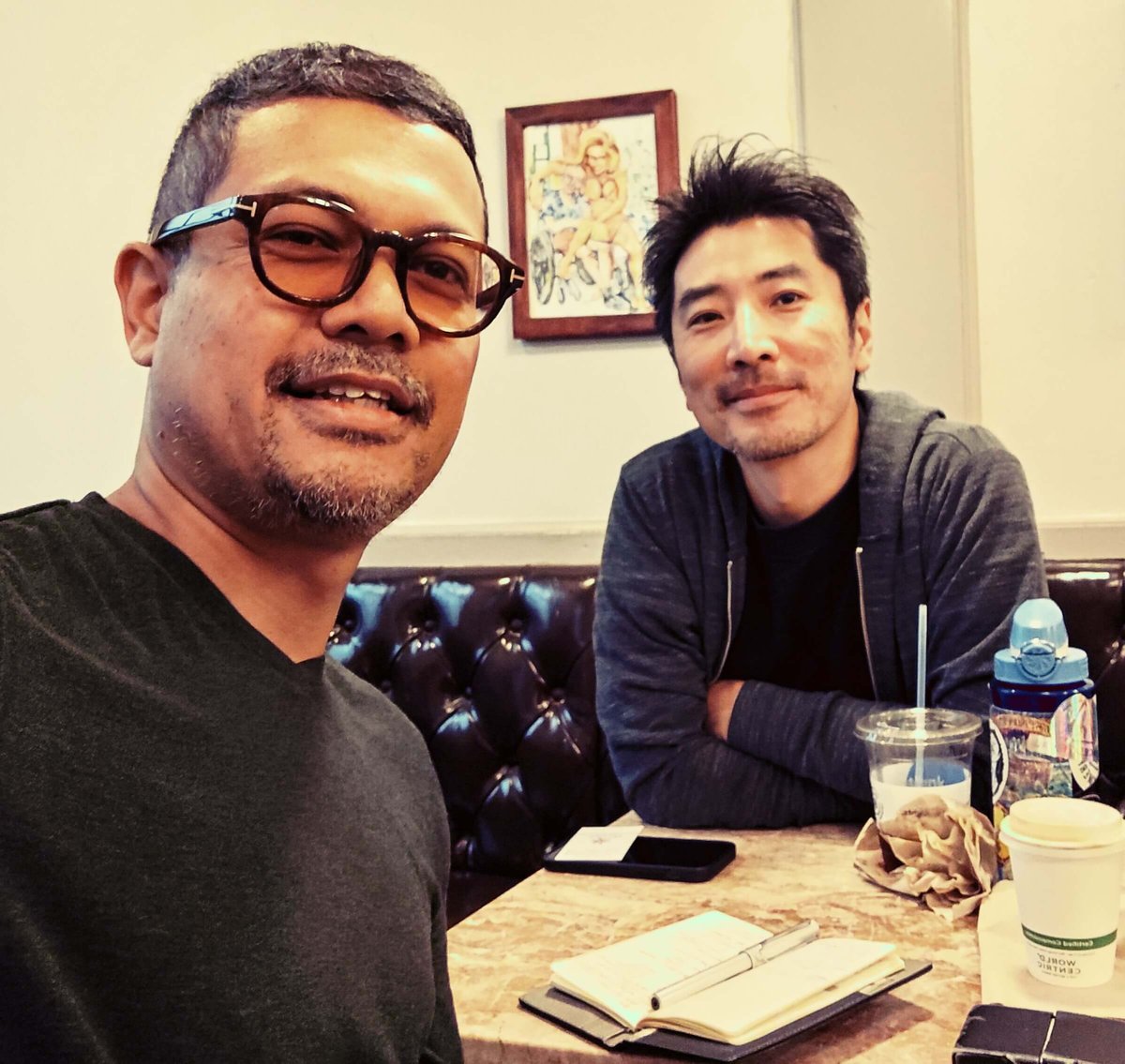
On 14th May, I had the privilege of meeting Nozomu Shoji, a seasoned Product Manager with an impressive 11-year tenure at Peatix's New York team. We had a productive discussion over coffee near Union Square.
Insights And Innovations
Peatix, a renowned global event discovery platform, is widely recognized for its pivotal role in assisting event organizers in managing their events and selling tickets. However, its true value lies in its ability to foster Learning, Connections, and Experiences (or 学び、出会い and おでかけ in Japanese), making it an indispensable platform in the event industry.
Nozomu's main role is to connect attendees to events by helping them discover events that meet their interests through search, emails, and recommendations.
Our conversation revolved around areas of shared interest, such as AI, SEO, and content marketing strategies. Peatix leverages AI in its product to enhance event discovery for attendees. I had the opportunity to introduce Kafkai and its potential to unlock enduring value for Peatix through content marketing and SEO.
Thank you, Nozomu, for your time, and I hope we'll work together on exciting stuff in the future.